Necropolis Records XVI
2025-12-17
by Niklas Göransson
Come 2004, the cost of carrying Necropolis proved too much to bear. After a decade of discipline and endurance, Paul reached a point where survival meant stepping away – not just from his label, but from the life that had consumed him.
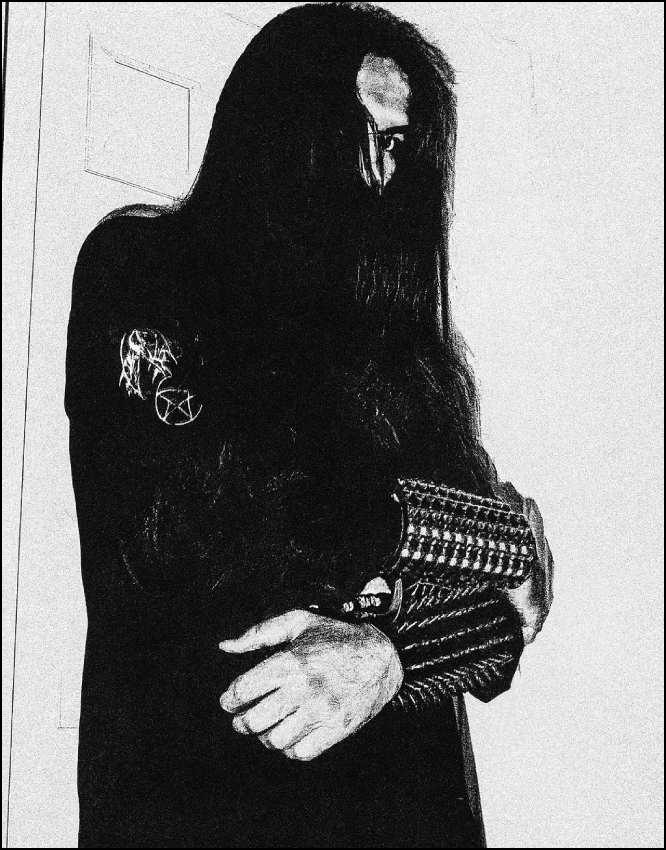
PAUL TYPHON: At twenty-eight, it dawned on me that a third of my life would soon have passed. I’d spent ten years basically working around the clock, and most of it had been wrapped around dark, crazy, constant thoughts with no reprieve. I was worn down by everything.
2003 became a turning point for both Necropolis and its founder. The biggest change on the personal front was that Paul married his fiancée and moved from Fremont to Los Angeles.
PAUL: That became my first semblance of a normal life. Everyone around me was already married, owned a house, and had careers moving forward – while I’d been sitting in a warehouse full of returned CD pallets thinking, ‘What am I doing? Why do I care about this so much?’
Four employees remained in the office, with Dave Pirtle handling most of the day-to-day while Paul worked remotely from Los Angeles. The Deathvomit sub-label, run by EXHUMED frontman Matt Harvey, had just wrapped up an active year with full-lengths by ENGORGED, PHOBIA, IMPALED, and ROTTEN SOUND.
The main imprint, however, had almost gone silent. The only Necropolis release in 2002 was INCANTATION’s “Blasphemy”, a deal initiated back in late 2000. Paul hadn’t signed any new bands since – partly due to the general state of death and black metal, but mostly because of the post-MP3 landscape.
PAUL: Trying to keep our catalogue alive in a market that had stopped caring about physical product took a huge emotional toll – and then came the pressure of an industry imploding from Napster and the retail collapse brought on by 9/11. Both played a huge part in what happened next.
Despite market volatility, there were still genuine wins. In 2002, impressed by the momentum of the Deathvomit roster, Century Media offered Paul a European pressing-and-distribution deal – a sorely needed lifeline at a critical junction.
As part of the alliance, the German label licensed not only DAWN’s “Slaughtersun (Crown of the Triarchy)” but also DEMILICH’s “Nespithe” – the very first Necropolis release from February 1993.
PAUL: Century Media came in with a small advance and took over distribution and marketing for our European Deathvomit editions. The timeline is a bit foggy, but I’m pretty sure US stores were still being serviced. It became obvious, though, that Big Daddy was struggling badly.
By then, the wider retail downfall had pushed Necropolis’ US distributor to the brink. As independent shops disappeared and demand for niche imports dried up, Big Daddy’s overextended inventory came back in the form of massive returns. With revenue evaporating and warehouses full of unsold stock, they fell behind on payments to the labels they carried — Necropolis included.
PAUL: The same people who’d been happy to take the product now couldn’t pay for it – Big Daddy owed me so much it felt like a knife to the heart. It was the theft of my future. When their last cheque bounced, I told the staff, ‘Okay, we’re going back to selling straight to stores.’ The painful part, though, is when you realise, ‘I’m fighting an industry-wide killer.’
Do you mean there was nothing you could’ve done?
PAUL: If I’d had ten more years of business experience and known how to raise capital or bring in outside funding, I probably could’ve weathered the storm. But I tried everything – more than most people ever would. I even self-financed CD runs with credit cards, taking on personal debt just to keep the label alive.
Necropolis Records had been incorporated as an LLC since 1996, shielding Paul from formal company debts, but the credit cards were private liabilities. Repayment fell entirely on him – and, by extension, his new household.
PAUL: I probably ran up around $100,000 on credit cards; fucking stupid, I know. At that point, the label still had money coming in, so I thought, ‘Okay, I’ll pay them down over time.’ But once revenue dried up and I was stuck with twenty-four percent interest… it got really scary – enough to make me look for a job.
Surveying employment opportunities, Paul came across an opening for the General Manager position at a Finnish video game developer. The company was based in Helsinki, but its founders were from Kuopio – the same city in Eastern Finland that produced DEMILICH.
PAUL: Think about how crazy that was: the CEO hadn’t heard of DEMILICH, but it made him think, ‘If this guy can sign all these Finnish bands and market them in the US, he should be able to build our virtual world over there.’ So I accepted the offer and started working in Santa Monica.
Did you have any trouble adapting to an entirely new industry?
PAUL: Not at all. I already had ten years of experience running an international company – luckily, I was able to parlay everything into the gaming market. I made more money in that first year than I ever did from Necropolis, and it put me on a path to managing the label’s debts.
By the end of 2003, Necropolis had effectively wound down. The main imprint issued only an INCANTATION repress that year, while Deathvomit released a ROTTEN SOUND compilation and new albums by CRIPPLE BASTARDS and BODIES LAY BROKEN.
PAUL: Even after Big Daddy, our Deathvomit titles and the Necropolis back catalogue were enough to sustain us for a while. I still paid the employees – sometimes out of my own pocket. Meanwhile, all the shit-talking online got under my skin because they had zero insight into what I’d done behind the scenes to keep the label afloat.
WITCHERY – the Swedish flagship of Necropolis’ black/thrash era – recorded their fourth full-length, “Don’t Fear the Reaper”, at Berno Studios in August 2004.
PAUL: By then, I’d built up the band enough to step back – like, ‘Okay, you should do whatever you feel is right for WITCHERY.’ The tough part about moving from an independent outfit to a major label is that you’re no longer the number one act and might be prioritised accordingly.
The 2001 “Symphony for the Devil” became WITCHERY’s third and final album on Necropolis; “Don’t Fear the Reaper” ended up released by Century Media.
PAUL: Another factor was how I couldn’t, in good conscience, cling to the band when I sensed they were headed for greater things; Jensen needed that rebrand. I said, ‘Let’s get you on a bigger label’, because I’d taken WITCHERY as far as Necropolis could. The industry had simply grown too shaky.
Without a formal farewell or closing statement, Necropolis quietly ceased operations in late 2004 – ending a decade-long presence in the underground.
PAUL: It wasn’t some dramatic moment. No press release, no goodbye: just a quiet, almost anticlimactic end. But underneath that was a tangle of things. I felt completely drained from carrying everything on my own in so many different capacities for so long – a kind of deep exhaustion you can’t really articulate.
What did your employees say?
PAUL: I remember telling Dave, ‘I’m not doing this anymore; we’re done.’ And he couldn’t believe it, because the label was still operational. But at that point, I thought, ‘I don’t need to bankrupt the company.’
Instead of keeping Necropolis running until it crashed hard enough to default, Paul let the LLC go dormant. In practice, that meant halting new releases and freezing operations, allowing the business to sit inactive rather than force a bankruptcy.
PAUL: Necropolis didn’t die; I always say I put it on ice. All label assets were transferred to a holding company that I own. I tied up the loose ends as best I could but still walked away with a hundred grand in personal debt. It was the harshest realisation of my life: you can invest every ounce of yourself into this, and it gives you nothing back but pain.
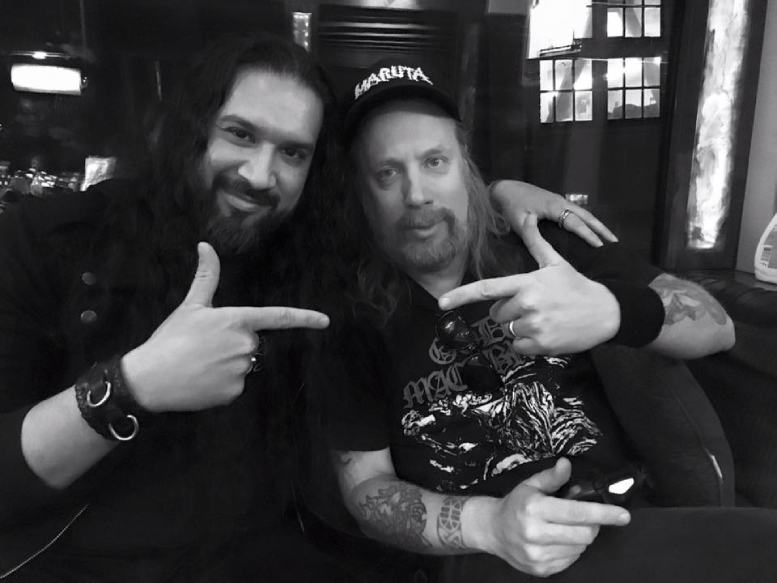
PAUL: Afterwards, I went through a grief period. Not over losing the company, but for the era itself. That whole ecosystem of magazines, college radio, and record shops – all of it running on personal relationships. Necropolis wasn’t just a business; it was my contribution to a world I genuinely loved. Letting it go felt like losing a part of myself.
Was there any sense of relief to at least be rid of the label’s problems?
PAUL: Sure. Beneath the sorrow and disappointment came the freedom of no longer chasing money that would never arrive, no longer juggling disorganised bands, no longer filling every role simply because nobody else stepped up. So, yes – just like Karmanik mentioned in your interview – there was some respite.
After driving himself to physical and mental collapse, Roger Karmanik ultimately initiated formal insolvency and handed Cold Meat Industry over to a court-appointed receiver. What might sound nightmarish to most self-employed entrepreneurs became, for Karmanik, a profound release – ‘Total fucking liberation. Fantastic experience, I must say; I highly recommend bankruptcy’ – as his debts vanished along with the burden of responsibility.
PAUL: I wasn’t afforded quite the same breathing room, though; unlike Roger, I didn’t get a clean slate. Those credit card bills needed paying down every month, so the ghost of Necropolis haunted me for years. And as if that weren’t enough, I had to deal with the stupid public fallout from returning bands whose careers I helped build.
Who are you referring to now?
PAUL: ARCHGOAT were upset because I paired “Angelcunt…” with the BEHERIT seven-inch and released them as a split album sold in all the record shops. Now, instead of painting me as the villain, think about this: some kid might’ve bought that disc and discovered their band.
Back in 1999, Necropolis reissued two of the label’s earliest releases – ARCHGOAT’s “Angelcunt (Tales of Desecration)” and BEHERIT’s “Messe des morts” – on a split CD.
PAUL: When the books closed, I felt I’d done everything right by my artists. I found the talent early, kick-started their careers, built a catalogue that mattered – still matters – and signed a distribution deal early to help them. I supported bands in ways modern labels wouldn’t even consider: wiring cash for food, flying members to the US, sending guitars.
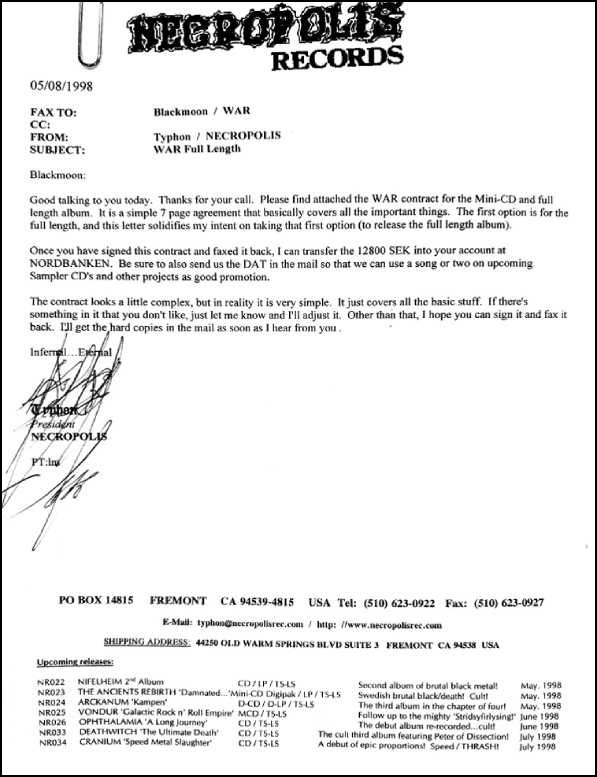
PAUL: In today’s culture, people openly discuss feelings, therapy, medication – you didn’t hear a word about any of that back then. America, especially the tech scene, seemed obsessed with whatever was shiny and fast; everyone moved on instantly. So, finding a community in the underground meant a lot to me.
During the late ‘90s, the black metal musicians Paul worked with gave him a sense of belonging. After years of feeling isolated, Necropolis’ roster became the closest thing he had to a tribe – something the broader American scene never offered.
PAUL: I eventually outgrew that mindset once I realised I could make it in this country without dealing with distributors who don’t pay, sleazy promoters, and depressed musicians – basically the fringes of society who dislike you no matter what because they can’t stand themselves and have never sorted their own lives out.
I’m sensing that the artist contact is not an aspect of the label you miss.
PAUL: Viewed through that lens, I can’t believe how much time I wasted being around chronically self-defeating personalities. Sadly, it seems black metal fame has now empowered certain beta people with that ‘woe is me, I’m so depressed’ attitude – enough for a whole generation of their fans to adopt the same mindset.
It occurred to me that aside from the DARK FUNERAL and MAYHEM licenses, Necropolis hadn’t released a traditional black metal title since TRIUMPHATOR in 1999.
PAUL: I do respect black metal purists; I don’t mean to mock those guys. But after years of being shit on by this other layer – typically found on forums – who’ve never contributed anything to the scene yet think they have a right to an opinion on the sole merit of collecting pieces of plastic… I want to make them squirm.
Like Full Moon Productions, Necropolis had a message board. I imagine Paul doesn’t miss moderating it.
PAUL: The one good thing Joe Rogan and all the other podcasters those dumb twenty-five-year-old kids worship say is, ‘Practice MMA and get toxic people out of your life.’ And what did I do? I let all these fucking morons – with their worthless opinions – live rent-free in my mind.
Another piece of advice from Joe Rogan that might be pertinent in this context is, ‘Don’t read comments about yourself.’
PAUL: <scoffs> Basement-dwelling keyboard warriors who can’t even afford a mortgage – biggest losers on the planet. Do they live for anything? Would they die for something? Will any of them change the world in any meaningful way? No. These people are nobodies, they’re ants. You’re not going to make it.
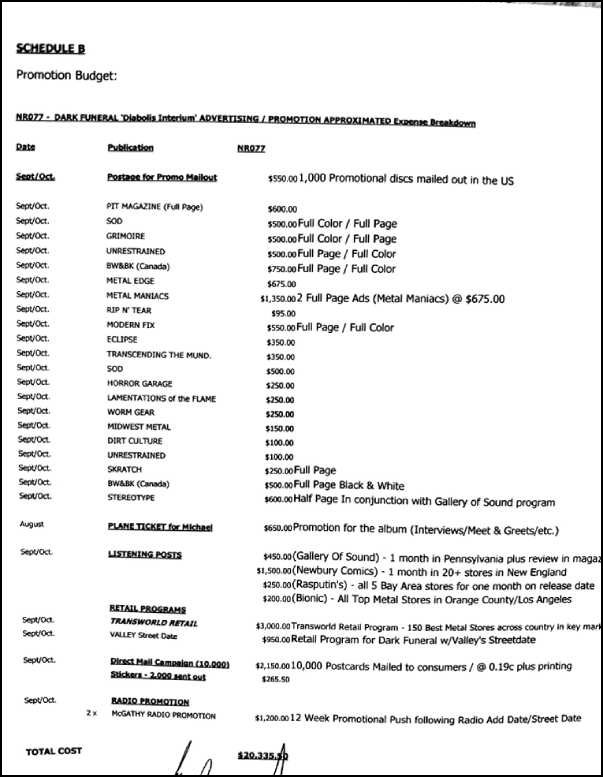

In the years after Necropolis faded away, there was a lot of online speculation about what caused the label’s demise. Paul refrained from public comment altogether.
PAUL: The silence added mystique, and the mythology grew on its own. I always knew there’d come a moment when the world would circle back to Necropolis, and that’s why I never sold the rights to my catalogue; the music deserved to outlast the era that wiped out so many labels. Extreme metal is countercyclical, which is interesting.
log in to keep reading
The second half of this article is reserved for subscribers of the Bardo Methodology online archive. To keep reading, sign up or log in below.
Related reading