Nuclear War Now! Productions IX
2026-01-29
by Niklas Göransson
Even as its modern releases gathered traction, Nuclear War Now! opened a second front. Expanding outward while digging downward, Yosuke began exhuming the underground archives of the Eastern Bloc.
YOSUKE KONISHI: In 2004, around the time I got married, my wife and I moved into a duplex in Pacifica, California. It was basically two houses joined together – we rented one half. Back then, the N.W.N! ‘warehouse’ was just our garage. That setup lasted for years, even as the distro grew.
Judging by a December 2005 mail-order catalogue, Yosuke curated the operation in strict accordance with his hardline analogue ideology. The selection includes 270 LPs, 214 seven-inch EPs, 160 cassettes – but only five CDs, four of which are N.W.N! releases.
YOSUKE: Honestly, that was a stupid mindset – there are plenty of situations where CDs are superior. Take industrial music: I don’t understand why anyone would want to listen to a noise band on vinyl. It doesn’t translate well, especially when tracks run longer than twenty minutes and get split in the middle.
Quite the amusing turn of events for a label that printed ‘Only Analog is Real’ merch.
YOSUKE: <laughs> If an individual still clings to the same opinions in their forties that they had twenty years earlier, something is probably wrong. You’re supposed to evolve – staying static is never healthy. I feel like that applies to most things in life.
Nuclear War Now!’s early distribution model relied heavily on trading rather than wholesale, which kept Yosuke’s underground ethos intact but limited the scope of his mail-order.
YOSUKE: I’ve always been a big proponent of trading – not just to get N.W.N! releases distributed overseas, but also to expand my selection of import titles. However, once labels like End All Life and Sombre Records began shifting to wholesale, I had to start buying more stock outright.
In the case of End All Life Productions, it was partly a matter of curation – but mainly due to downsizing and ultimately discontinuing the label’s mail-order side for many years. Around 2005, E.A.L. head Christian Bouché sold the remaining stock in bulk to free up time for two other ventures that were gaining significant traction at the time: NoEvDia and DEATHSPELL OMEGA.
YOSUKE: I much prefer trading over purchasing wholesale, as the overall costs stay lower for everyone involved. Still to this day, I’ll choose that option if it’s available, which isn’t always the case. Some underground labels simply don’t want to deal with all the hassles of running a larger distro.
Nuclear War Now! had already begun excavating foundational scenes across the Americas – from Canada to Brazil – but 2005 marked Yosuke’s first conservation effort behind the Iron Curtain.
YOSUKE: Do you remember View Beyond Records out of the Czech Republic? They released some very early MANIAC BUTCHER material, a few SABBAT seven-inches, and the first EP of… SÓLSTAFIR, however you pronounce it. Anyway, the label was run by this guy called Pavel.
Pavel Tušl founded View Beyond Records in what was still Czechoslovakia, then part of the Eastern Bloc alongside Poland, East Germany, Hungary, and others. In 1992, the “Infected Reality” demo by Ukrainian death metal act BRAINSTORM became the label’s first release.
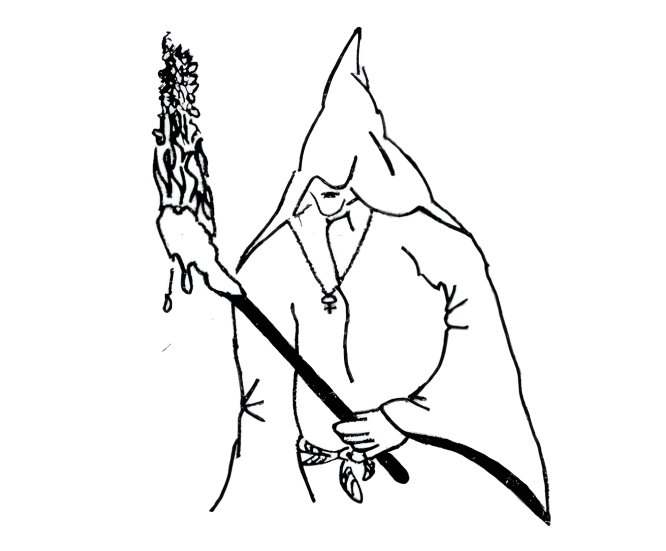
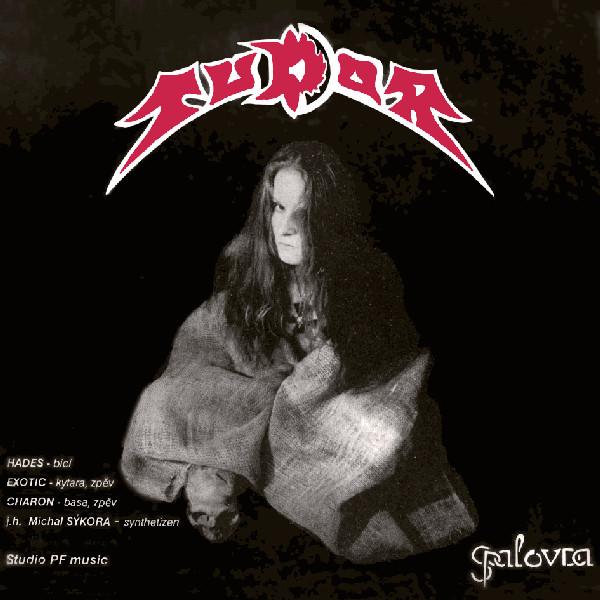
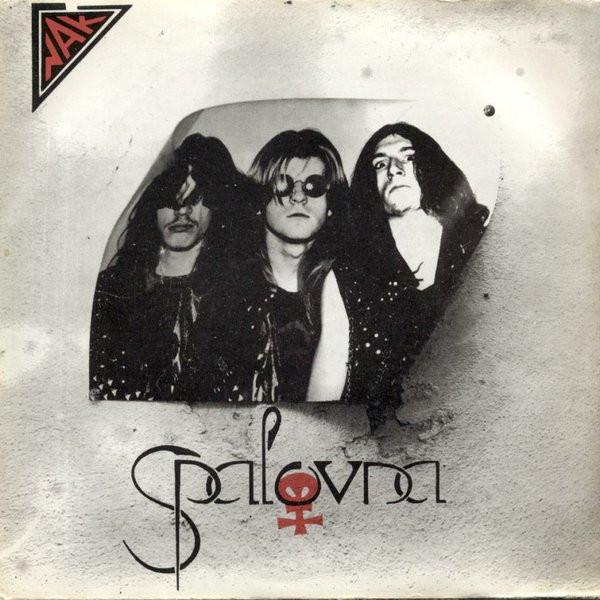
YOSUKE: I’d ordered his SABBAT EPs, which led to broader conversations about metal. Pavel helped me track down several extremely obscure Czech titles; he even found copies of TUDOR’s “Spalovna” (1991) seven-inch that had apparently been sitting in someone’s closet for the last ten years.
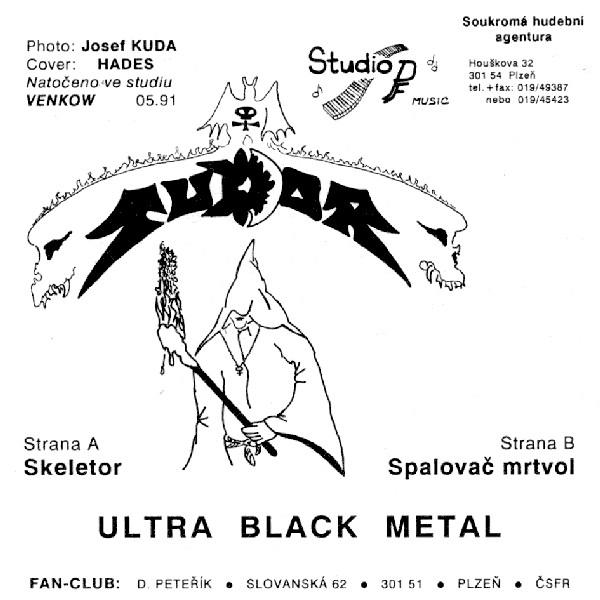
Based in Plzeň, TUDOR emerged from the vibrant late-’80s Czechoslovak underground. After two album-length demos – “Zombie” in 1990 and “Skeletor” the following year – they recorded a two-track EP.
“Spalovna” was initially intended for Monitor, the country’s most established rock and metal label, but instead surfaced as the lone output of Studio PF Music. This, combined with TUDOR’s disbanding shortly thereafter, likely explains the closet deadstock.
YOSUKE: I bought the entire batch for distribution here in the US. That seven-inch made me curious about TUDOR’s earlier recordings, so Pavel put me in touch with the band. They sent over their demos – and from the first listen, I knew I had to reissue them.
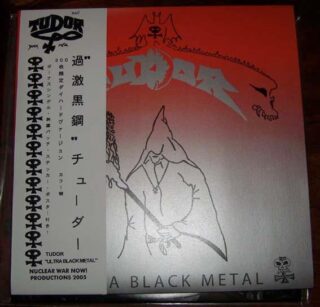
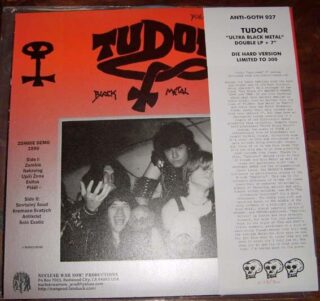
In 2005, Nuclear War Now! released “Ultra Black Metal” – a double-LP combining “Zombie” and “Skeletor”. The Die Hard version was especially elaborate, with an obi strip, embroidered patch, multiple vinyl colours, and a repress of “Spalovna” as a bonus seven-inch.
Yosuke kept in touch with the members, who happened to be reforming TUDOR and working on new material.
YOSUKE: I wasn’t particularly interested in that phase. Veteran bands returning after a long break seem to gravitate toward whatever style is fashionable at the moment. In TUDOR’s case, they were trying to emulate RAMMSTEIN or some kind of nu-metal – just atrocious, really terrible.
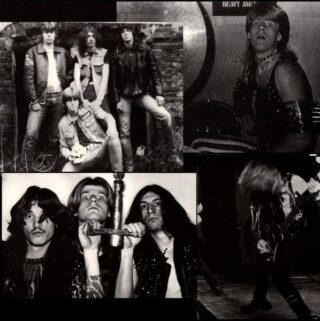
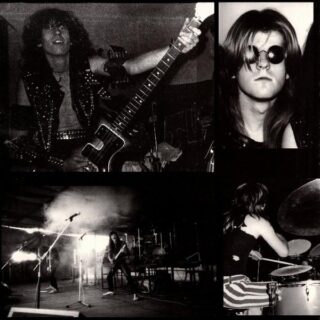


YOSUKE: I was at Aquarius Records – another iconic record shop in San Francisco – talking to the owner, Andy. We were discussing Eastern European metal, and he mentioned ROOT. I already knew of them, but I wasn’t aware of the demo compilation that Lava Productions released.
As the inaugural title of Lava Productions, run by ROOT bass player Igor Hubík, “Dema” documented one of Eastern Europe’s earliest black metal legacies, forged under the cultural and political weight of Communist-era censorship. The 2003 double-CD anthology gathers the band’s first four demos along with late-’80s live tracks.
YOSUKE: The presentation looked absolutely horrible, but what surprised me most was how poorly distributed it seemed to be; I couldn’t believe Aquarius even had a copy. I went home, played the CD, and immediately became fascinated by the gnarly vocals of their original singer, Dr. Fe.
In 1989, after ROOT’s third demo “Messengers from Darkness”, Dr. Fe left to pursue his own vision of black metal: the rawer, more punk-leaning, and less theatrical AMON.
Demo four, “The Trial”, brought several developments. The band’s rehearsal and recording setup had reportedly been upgraded from a former pigsty to a disused dairy. With drummer and co-founder Big Boss now shouldering oration, ROOT introduced clean baritone vocals, more structured songwriting, and a stronger occult identity.
YOSUKE: Everything about their very first recordings appealed to me – totally unrefined, with the exact right level of shittiness. They sounded completely different from the rest of ROOT’s catalogue. I do like the early albums, but lost interest after “The Book” (1999).
I’d argue that “Black Seal” from 2001 holds up just as well – the closing track is one of ROOT’s best.
YOSUKE: I don’t think the later material is bad; it just isn’t dirty enough for my ears. ROOT cleaned up their sound too much when they became more technically proficient musicians – which is why I got so excited once I discovered those raw, abrasive demos.
Yosuke reached out to Igor Hubík and Lava Productions, and they eventually worked out a licensing deal for a vinyl edition of “Dema”.
YOSUKE: Once again, Pavel from View Beyond played a crucial role as an intermediary. We had already worked together on the TUDOR reissue, and that relationship helped establish mutual trust. He vouched for me and even offered to distribute it in the Czech Republic.
A 2005 website update revealed that Nuclear War Now! had boots on the ground searching not only for old photos and flyers, but also the lost pre-ROOT “Deep in Hell” demo. Recorded in 1987, it was never publicly distributed; however, copies reached members of TÖRR and KRYPTOR, whose encouragement pushed the fledgling band to move forward.
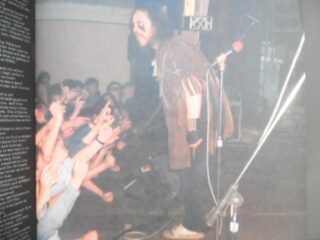
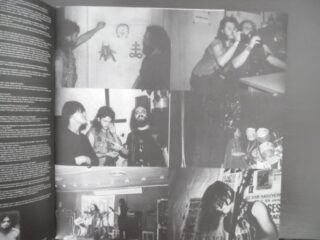
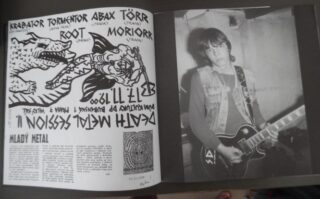
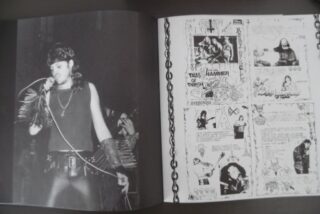
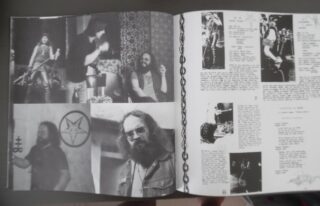
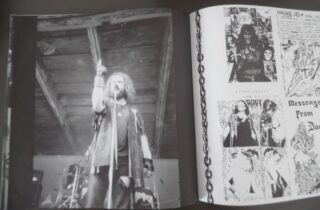
YOSUKE: Igor spent months trying to track everything down, but a few final pieces – like “Deep in Hell” – never surfaced. Nonetheless, he managed to secure a substantial amount of archive material; loads of photographs, including live shots taken by Franta Štorm of MASTER’S HAMMER.
In addition, Hubík provided scans from vintage issues of Rootan – ROOT’s fan club publication – along with a handful of demo-era promo shots.
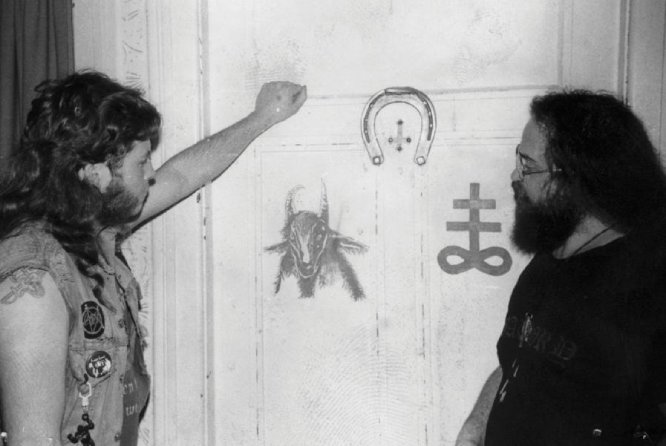
YOSUKE: There’s this hilarious photo of Dr. Fe and Big Boss completely mesmerised by a crude drawing of the BATHORY goat – admiring it as if they stood before the Mona Lisa <laughs>. That image completely captures their mindset at the time; those guys took the black metal mentality one hundred percent seriously.
The sheer manual labour behind “Dema” mirrored the devotion of the material it preserved: a thirty-six-page booklet, two gatefold jackets, an A2 poster, and a T-shirt. Everything came housed in a cardboard box produced by the notoriously dysfunctional ThingMakers in Tacoma, Washington.
YOSUKE: “Dema” was easily the most ambitious N.W.N! project to date: four LPs inside a handcrafted cover. But ThingMakers kept dragging their feet – classic procrastination. Eventually, I told him, ‘Just get the boxes printed, and we’ll come up and help you glue them together.’
Enlisting Jason Campbell as company, Yosuke drove more than 1,200 kilometres (745 mi) from Pacifica to Tacoma – only to arrive in the middle of a blizzard, narrowly avoiding crashing his car.
YOSUKE: I still own the same car, a Honda Element – perfect for transporting cargo, but less so for navigating winding mountain roads in a snowstorm <laughs>. Anyway, I’d planned the trip around a scheduled meeting with Dagon from INQUISITION, which worked out nicely.
At the time, Yosuke and Dagon were in discussions about reissuing “Anxious Death” and “Forever Under” – INQUISITION’s 1990 EP and 1993 demo, recorded while the band was still based in Cali, Colombia.
YOSUKE: Aside from meetings with Dagon and Joel (TOXIC HOLOCAUST), I basically spent the entire weekend just glueing things together. Each box came in two pieces – and since they were meant to form an inverted cross, everything had to be assembled by hand.
This was a run of a thousand copies, right?
YOSUKE: Yes. And it wasn’t straightforward either: the cardstock was scored, but aligning everything proved tricky. If the angles were even slightly off, the damn thing wouldn’t fold properly. Then we had to drive through the mountains with a massive stack of boxes piled in the back.
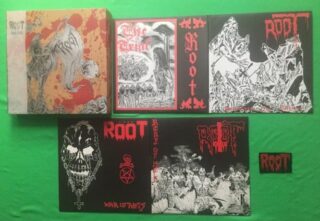
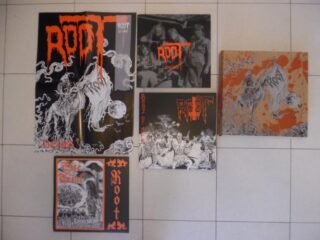

According to a later website update, ‘the last hundred or so original boxes were too messed up to use’.
YOSUKE: Some of that damage almost certainly happened during the return trip. Folding the boxes into their final shape wasn’t an option – they wouldn’t have fit in the van – so we had to lay them flat. With no way to secure the load, it all slid around and took a beating the entire way home.
As a result, the limited silkscreened box edition of “Dema” wasn’t about exclusivity so much as necessity.
YOSUKE: We ended up doing a DIY fix by buying blank replacement boxes and silkscreening them. Looking back, “Dema” was the final nail in the coffin of my working relationship with ThingMakers, because the process turned into such a massive headache.
Released in May 2006, the “Dema” box set stood as a towering four-LP archival monument to ROOT. While impressive to look at, I’m guessing distributing it was an altogether different ordeal.
YOSUKE: Shipping the records inside the box simply wasn’t possible; the whole thing would collapse under its own weight. So, the vinyl had to be packaged and sent separately – complete insanity. I’ll never attempt something like that again. “Dema” was probably the last large-scale DIY project I ever tackled.
log in to keep reading
The second half of this article is reserved for subscribers of the Bardo Methodology online archive. To keep reading, sign up or log in below.
Related reading