Nuclear War Now! Productions XI
2026-02-05
by Niklas Göransson
As Nuclear War Now! Productions widened its scope, new frontiers opened in South America. Across Colombia, Mexico, Chile, and Brazil, Yosuke plunged into a chaotic archival landscape, rebuilding entire histories one fragment at a time.
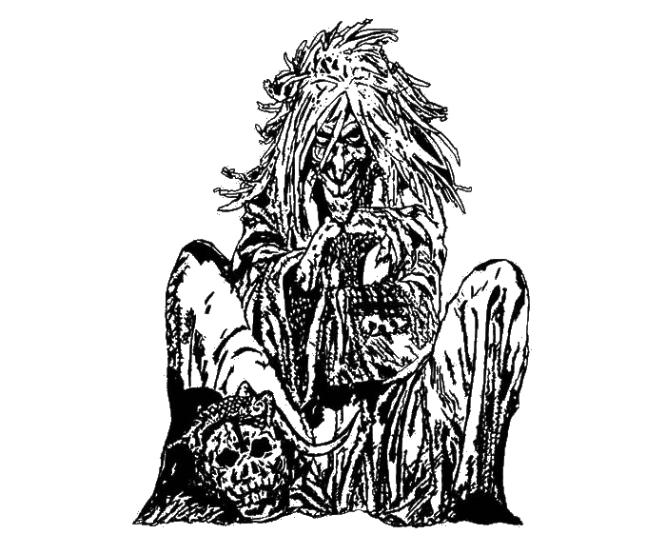
YOSUKE KONISHI: Tuesday and Thursday evenings were dedicated to packing orders, then I’d have friends come over on weekends to help out. At a certain point, working on N.W.N! just became part of everyday life – something I did almost every minute of the day.
With an accelerating release schedule, most of Yosuke’s workdays at his nine-to-five job went into label-related correspondence – discreetly enough, it seems, given that he kept being promoted.
YOSUKE: Jason was always baffled by it; I’d devote huge amounts of my time during office hours to N.W.N!, yet they kept sending me to different countries and handing out promotions and bonuses. In hindsight, I owe a lot to Agilent – not just Silicon Genetics.
After Agilent Technologies acquired Silicon Genetics in late 2004, many of the in-house functions were outsourced. As tech support manager, Yosuke was tasked with onboarding the new team in India.
YOSUKE: I had to fly over there to train the staff, so that period became another milestone in N.W.N!’s development. Those trips were how I started racking up airline mileage and frequent-flyer points, which later made it possible for me to travel around Europe.
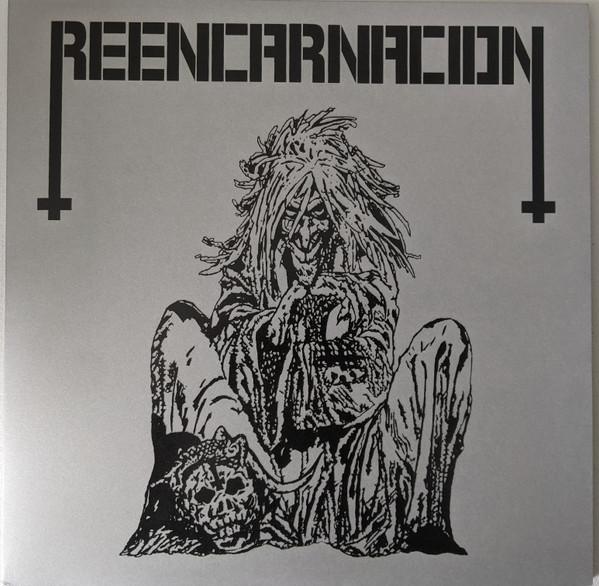
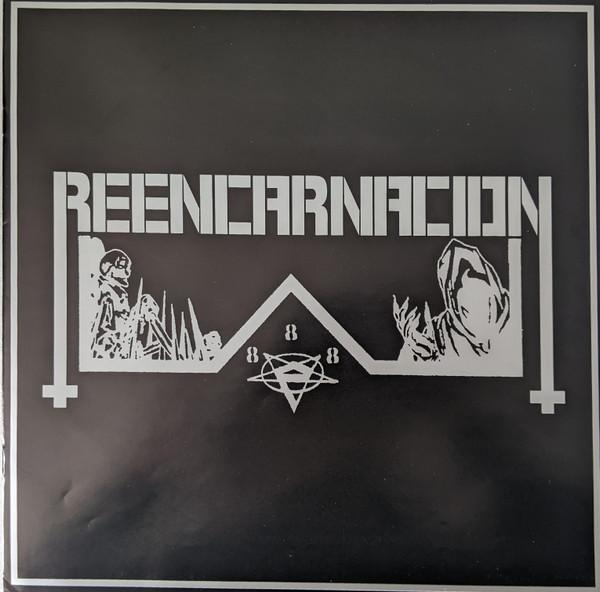
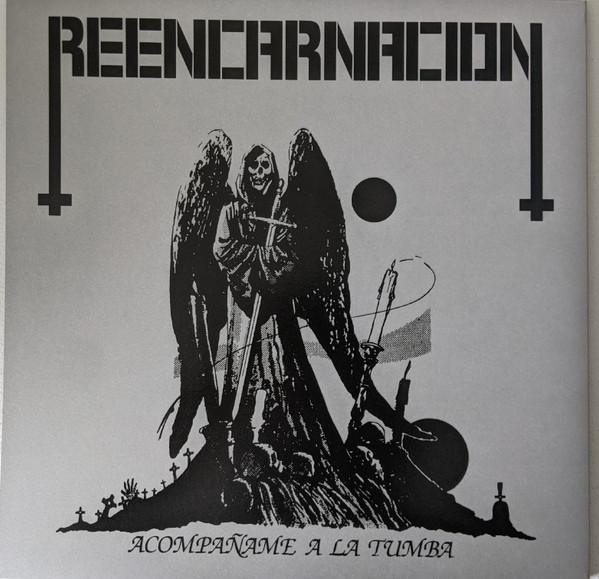
YOSUKE: I first discovered the Medellín scene thanks to Dan Edman of The Corroseum, a Swedish website dedicated to extremely obscure metal releases. He told me about Colombian bands like PARABELLUM and REENCARNACIÓN – and from there, I managed to track down their albums through Rainer of Metaleros.
Based in Germany, Rainer Krukenberg ran Metaleros as a specialised mail-order and label with a reputation among collectors for sourcing Latin American pressings and demos that rarely surfaced through normal European channels.
YOSUKE: I was also in touch with Mannithou from MANITÚ, who got me a bunch of records by GLÖSTER GLADIATTOR, PARABELLUM, HERPES, and several other Medellín bands that only gained wider recognition much later. REENCARNACIÓN’s debut became my first in a series of ultra metal reissues.
Originally released in 1988, REENCARNACIÓN’s self-titled album fused speed, black, and proto-death metal, reflective of the creative isolation of Colombia’s chaotic underground. Much like Belo Horizonte in Brazil, Medellín developed its own sound – known as ‘ultra metal’ – spearheaded by acts like PARABELLUM, BLASFEMIA, NEMESIS, and REENCARNACIÓN.
N.W.N!’s reissue, titled “888 Metal”, didn’t just restore a lost classic to circulation; it significantly elevated its presentation. Yosuke handled much of the archival work himself – scanning and restoring Colombian source materials and even translating old interviews.
YOSUKE: A large portion of the content came straight out of my own archives. By that point, I was deeply immersed in old South American ‘zines, constantly buying and trading them, so I went through my collection and pulled together as much relevant material as possible.
“888 Metal” was co-released with The Ajna Offensive, a US label that had already begun unearthing obscure underground classics like TORMENTOR’s “Anno Domini” as early as 1995.
YOSUKE: I bought the TORMENTOR reissue at Rasputin, so I was already aware of Ajna. I distinctly recall picking it up and thinking, ‘What is this weird label that decided to release a picture disc with such a bizarre layout?’ Unless I’m mistaken, it has text printed on both sides.
Summer 2006 saw the conclusion of the “888 Metal” double-LP project. Besides REENCARNACIÓN’s debut album, it included an EP from ‘89 plus seven live tracks. The release was originally scheduled for six months earlier, but a news post on the N.W.N! website revealed that a mastering error discovered too late had forced a full repress.
YOSUKE: The digital master caused an issue on one of the live sides – technically one of the least important, since it’s a pretty rough recording to begin with, but the glitch hit right in the middle of a song. It delayed our release, and swapping out the records was a complete pain in the ass.
Tyler Davis of The Ajna Offensive is generally a mellow, even-tempered fellow – but one thing that reliably tests his patience is a delayed release schedule.
YOSUKE: <laughs> Tyler took it pretty well. At the same time, it was made clear that the responsibility rested with me – and I agreed. I absorbed the loss myself, since Ajna had no involvement in approving the test pressings. Those came directly to me, and I missed the problem.
How much did a production setback like that cost you?
YOSUKE: At least a couple of thousand dollars. But I just couldn’t let it slide – especially not on a historical release. This was the first Western reissue of that record, so I didn’t want it marred by something so obvious and careless. I bit the bullet, which proved to be the right call.
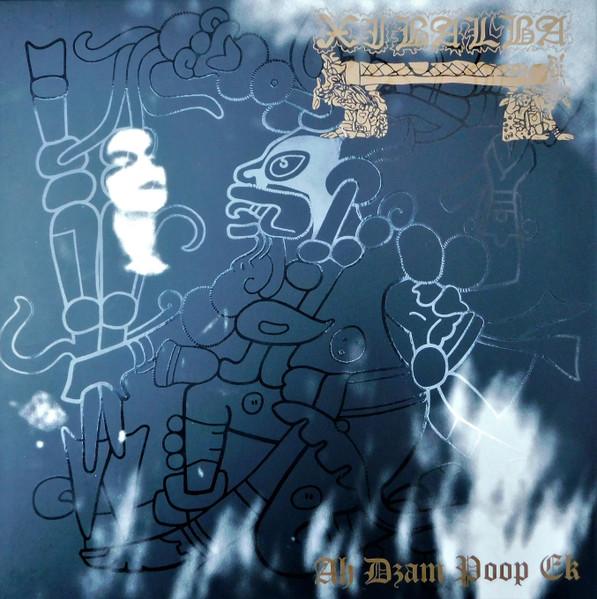
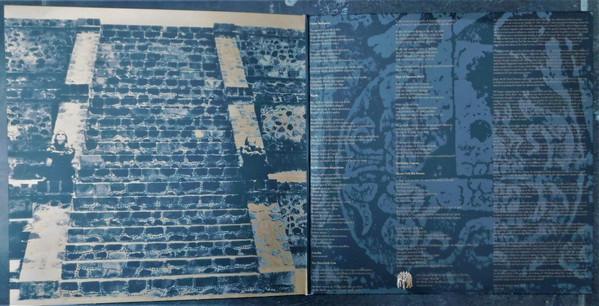
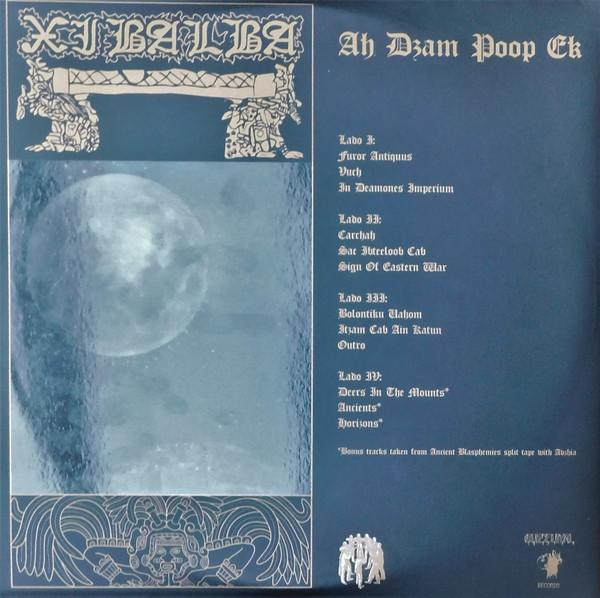
YOSUKE: I met Noé and Willy from Guttural Records when SABBAT played Mexico City in ‘05; we ended up hanging out and spending a lot of time together. Somewhere along the way, they asked if I’d be interested in releasing XIBALBA on vinyl, since it hadn’t been done before.
Formed by three brothers in early ‘90s Mexico City, XIBALBA emerged as an oddity within an already fringe scene. Having grown up in an environment where punk – rather than thrash – pioneered the first fast, aggressive underground sounds, they channelled classic heavy metal foundations into a darker strain shaped by later discoveries such as METALLICA, NAPALM DEATH, CELTIC FROST, and BATHORY.
In 1994, Guttural Records released XIBALBA’s debut album, “Ah Dzam Poop Ek”.
YOSUKE: Great record. There’s obvious DARKTHRONE worship in there, but they also incorporated ambient passages, Mayan chanting, and ritualistic percussion, which made XIBALBA feel genuinely distinctive. These guys are completely serious about their ancient history, and I respect that.
Instead of Satanic or anti-Christian imagery, XIBALBA shaped their lyrics around Mayan cosmology and its cycles of creation and destruction. According to guitarist Marco Ek Balam, this direction drew from BATHORY’s Viking-era material, which showed them how myth, identity, and ancestral memory could replace the usual black metal themes.
YOSUKE: To me, it’s one of the most creative records to come out of the Mexican underground, particularly given its theme. XIBALBA were among the very first bands to approach black metal that way. Now this kind of heritage focus has become much more common, largely because of bands like VOLAHN and INVUNCHE.
Following the debut, XIBALBA played only a handful of shows, kept mostly to themselves, and remained a cult concern among a small circle of early supporters long after the album faded from circulation.
“Ah Dzam Poop Ek” was repressed on CD by Guttural Records a decade later – around the time SABBAT toured Mexico. Then, in 2007, Nuclear War Now! reissued it as a double-LP with bonus tracks.
YOSUKE: I was also supposed to handle SHUB NIGGURATH’s first album – another Mexican classic – but that project fell apart for various reasons. The band went through internal conflicts, members split off, and the licensing situation remains unresolved to this day.
YOSUKE: BLASPHEMY’s “Live Ritual…” wasn’t the only release to materialise thanks to my work-related travels. When returning from India, I’d sometimes take a few days off in Europe; Agilent covered the flights, as long as I paid for my own hotel. One of those trips had a layover in London, and GRAND BELIAL’S KEY just happened to be playing.
In February 2006, GRAND BELIAL’S KEY performed at The Ruskin Arms – an East London pub known for hosting multiple IRON MAIDEN gigs during the late 1970s.
YOSUKE: On a different trip, I stayed in London as a short vacation and met up with Andrés from DEATH YELL, who was working some kind of international, high-end job there. I remember picking up this flyer for a call-girl off the ground and having him sign it – like a total fanboy.
Based in Santiago, DEATH YELL sat right at the crest of Chile’s first wave of extreme metal. Their 1989 “Vengeance from Darkness” demo spread through tape-trading circles, earning a reputation for raw death/thrash with a distinctly South American savagery – but also flashes of atmosphere, including keys and organs that sound oddly funereal in something so feral.
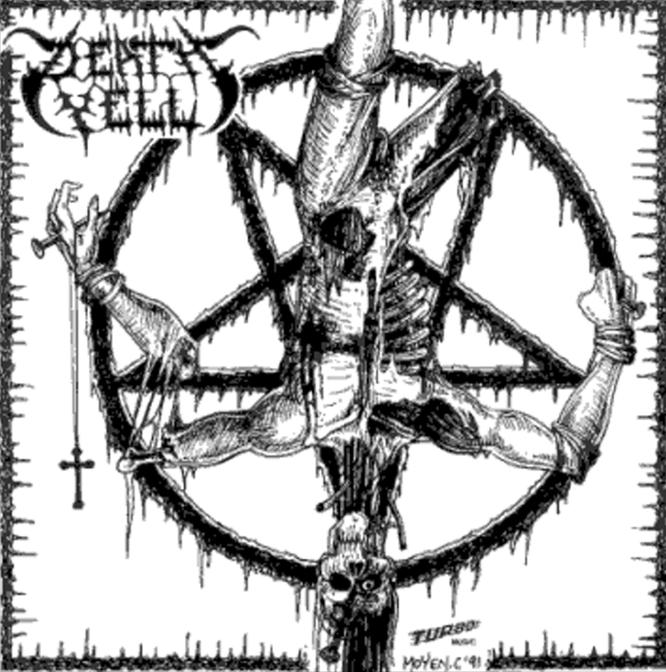
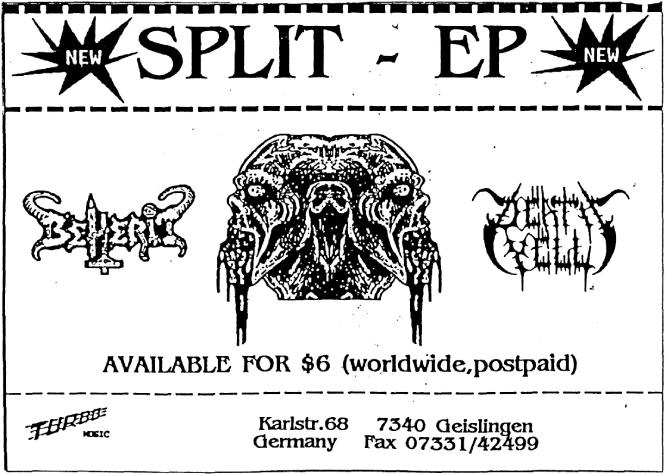
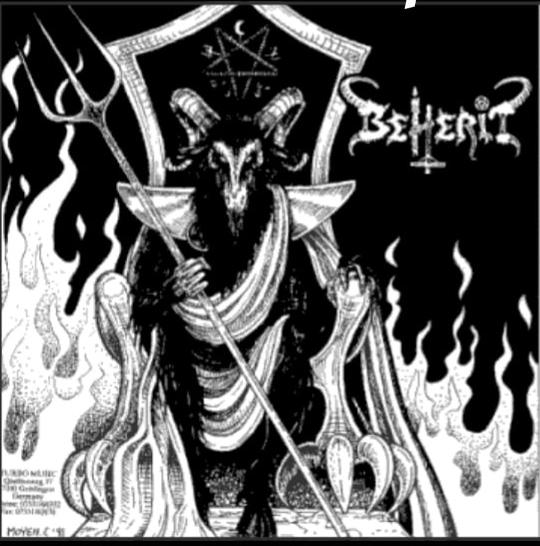
Two years later, in 1991, Turbo Music paired one of DEATH YELL’s demo tracks with BEHERIT’s “Werewolf, Semen and Blood” on a split seven-inch.
YOSUKE: I first learned about DEATH YELL through that BEHERIT split. It made a huge impression – in part due to Chris Moyen’s artwork. The music itself had the perfect blend of black/death and grind, which is exactly what I’m always looking for in South American bands.
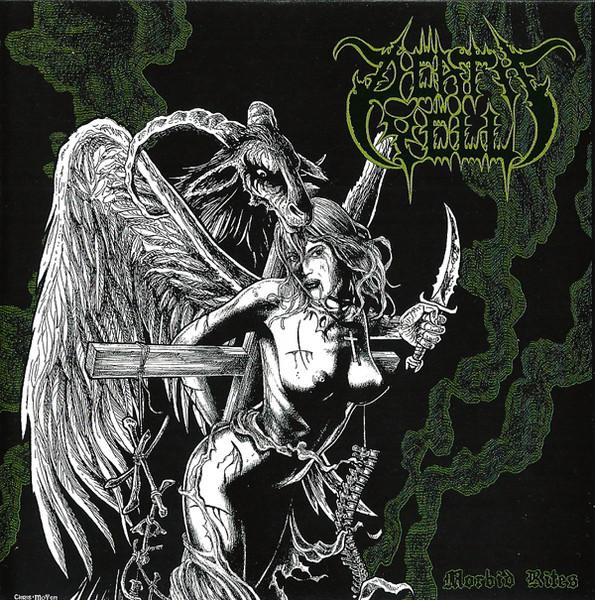
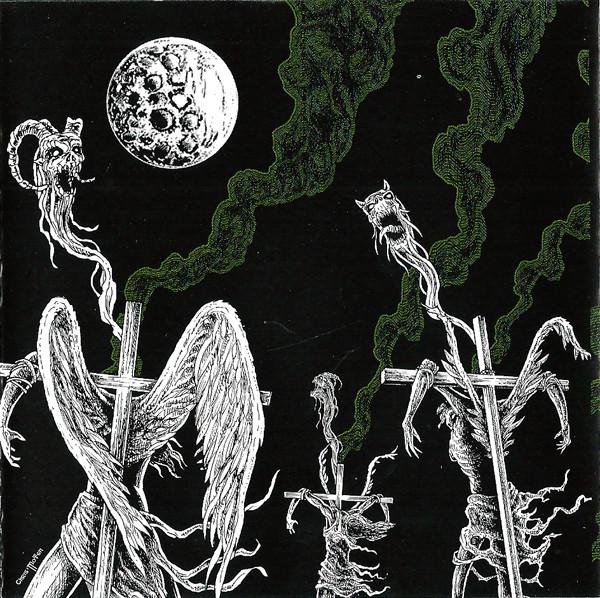
In February 2007, N.W.N! released the DEATH YELL anthology “Morbid Rites”, pairing “Vengeance from Darkness” with live recordings from 1990.
YOSUKE: At the time, barely anyone outside the tape-trading circuit gave a shit about DEATH YELL – but even so, that reissue did pretty well. It was one of the early records with a huge booklet glued directly into the gatefold, similar to KISS’ “Alive!” where the sleeve is physically attached inside.
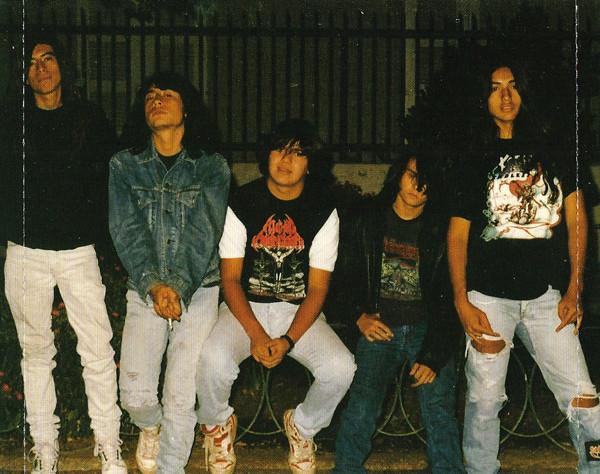
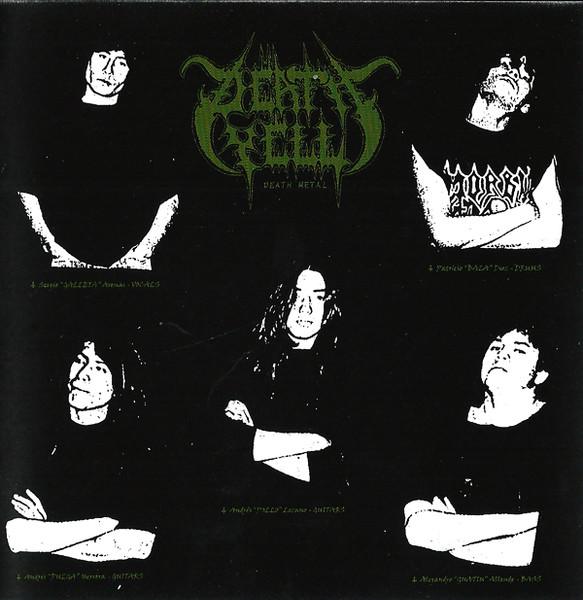
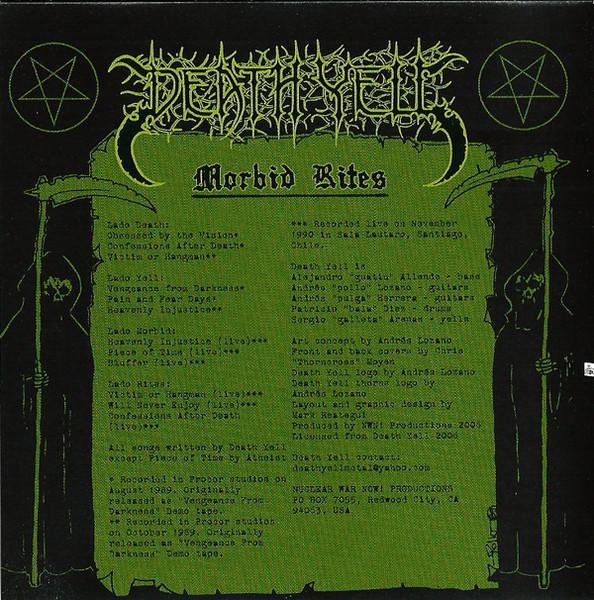
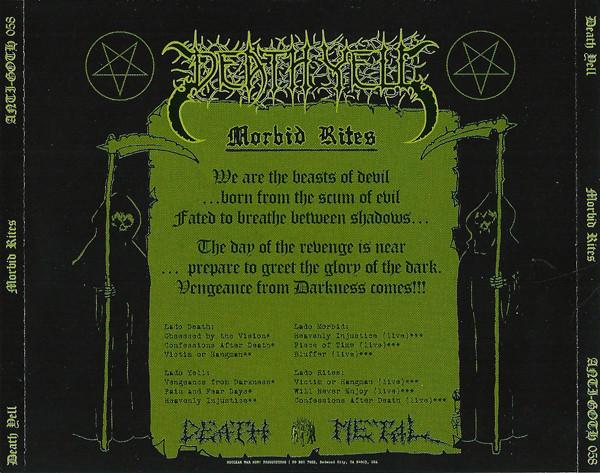

YOSUKE: The Chilean scene actually predates Brazil in some ways, because PENTAGRAM was active as early as ‘85. They also had MASSAKRE, a death/thrash band, coming up around the same time. Then there were groups like BLOODY CROSS, who sat closer to DEATH YELL stylistically – more chaotic and unhinged.
Was there something distinct about the late ‘80s Chilean scene that set it apart from contemporaries in Brazil and Colombia?
YOSUKE: There wasn’t really a single, clearly defined ‘Chilean sound’. All the bands drew from the same pool of influences – BATHORY, SODOM, HELLHAMMER – but the way those elements came together varied. I guess you could loosely describe it as more death/thrash overall, but nothing as cohesive as the Cogumelo scene.
During the late 1980s and early ‘90s, Cogumelo Records functioned as the key hub for Brazilian extreme metal, documenting a local ecosystem that sounded unified even when the bands themselves varied. Once N.W.N! was up and running, Yosuke began actively reconnecting with this lineage: in 2004, he secured licences for vinyl reissues of Belo Horizonte staples like SARCÓFAGO and IMPURITY.
YOSUKE: I was always searching for black metal that carried the same feel as the early Cogumelo catalogue. I kept digging and turning up bands like MYSTIFIER and HEADHUNTER D.C., along with even more obscure names such as LOU CYFER, which were incredibly difficult to track down in the US.
log in to keep reading
The second half of this article is reserved for subscribers of the Bardo Methodology online archive. To keep reading, sign up or log in below.
Related reading